Memphis-Style BBQ Sauce
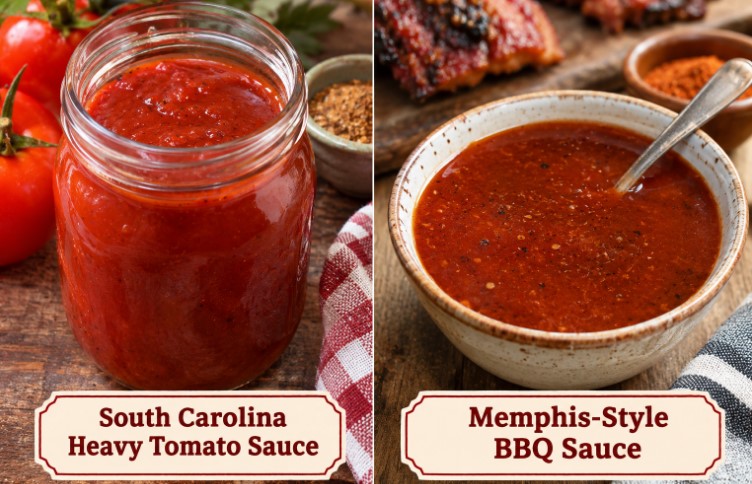
Memphis BBQ sauce is a tomato-based barbecue condiment that often combines vinegar, sweetness and spices for a lively finish. Memphis is equally known for barbecue served with dry seasoning, so sauce is not a required part of every plate. This guide explains how to make a tangy home version and use it on beef ribs, chicken and other grilled foods without covering the flavor of the rub.
Dry or wet barbecue: which result are you aiming for?
In Memphis, the choice between dry and wet barbecue can be as important as the sauce itself. Dry-style cooking relies on a spice coating and may be served with sauce separately. Wet-style cooking uses sauce on the meat. The distinction is not a rule that dry meat must have no moisture; it describes how it is seasoned and served.
When you already have a good spice crust, a heavy layer of Memphis barbecue sauce may make the seasoning less noticeable. Taste a piece first, then decide whether to serve the sauce alongside it. For a lacquered finish, use a light coating toward the end of the cook. Established Memphis restaurants have different approaches, and no single sauce is universally representative of the city.
How to make Memphis BBQ sauce at home
This Memphis BBQ sauce recipe is an adapted formula for a medium-bodied, vinegar-forward sauce. It uses a saucepan and whisk rather than a blender. The recipe is intended to be accessible with ordinary pantry ingredients and has not been kitchen-tested.
Preparation: 5 minutes. Cooking: 15–20 minutes. Total: 20–25 minutes. Yield: about 1 1/3 cups, approximately ten 2-tablespoon servings.
Memphis BBQ sauce ingredients
- 1 cup ketchup
- 1/4 cup apple cider vinegar
- 1/4 cup water
- 2 tablespoons brown sugar
- 1 teaspoon yellow mustard
- 1 teaspoon paprika
- 1/2 teaspoon garlic powder
- 1/2 teaspoon onion powder
- 1/2 teaspoon ground black pepper
- 1/8 teaspoon cayenne pepper
Ketchup supplies the tomato body. Cider vinegar contributes the sharp finish that makes this sauce useful beside rich foods. Paprika adds color and a mild pepper flavor, while cayenne provides heat. Brown sugar softens the acidity. Mustard introduces an additional tang without changing the sauce into a mustard-based style.
- Combine ketchup, vinegar and water in a saucepan. Whisk until smooth.
- Stir in the brown sugar, mustard and all five dry seasonings.
- Bring the mixture to a gentle simmer over medium-low heat. Stir regularly for 15–20 minutes.
- Check a cooled spoonful for balance. The sauce should spread readily rather than hold stiff peaks.
- Remove from heat. Serve a clean portion and refrigerate the remainder promptly.
If you want homemade Memphis BBQ sauce with less sweetness, begin with one tablespoon of brown sugar. Ketchup is already sweetened, so taste before adding more. A Memphis sweet BBQ sauce variation can use a little extra brown sugar, but that change will also increase the tendency to darken over heat.
Put the sauce to work on the smoker
Beef ribs with a firm bark
Season the ribs before smoking and let the crust develop undisturbed. When the ribs are nearly tender, brush on a very thin layer of sauce, if desired. Let the layer lose its wet shine before adding another. If the rub is the main attraction, skip the glaze and offer a small bowl when serving.
Chicken wings and thighs
Cook the chicken safely first, aiming for at least 165°F internally. Toss wings in warmed sauce just before serving to avoid leaving them in a wet coating for too long. For thighs, brush sauce onto the surface during the final part of indirect cooking. Direct flames can scorch the sugar before the chicken is done.
Sandwiches and vegetables
A spoonful mixed into shredded cooked beef adds acidity without needing a large volume. For grilled peppers or mushrooms, use the sauce after browning so the vegetables retain their roasted flavor. It also works as a dip for potato wedges.
For a thicker, sweeter finish, compare the Kansas City guide. If you prefer a sauce that pours almost like vinegar, the Eastern Carolina guide provides a different approach.
What makes the best Memphis BBQ sauce for your meal?
The best choice depends on the seasoning already on the food. If the rub is salty, use a sauce with less sodium. If the rub is sweet, lean toward vinegar and pepper rather than additional sugar. If serving a spicy rub, offer a mild sauce on the side. These adjustments are more useful than assuming a particular bottle is authentic just because its label mentions Memphis.
For a Memphis style barbecue sauce with deeper smoke notes, replace part of the regular paprika with smoked paprika. If the meat has already spent hours in wood smoke, ordinary paprika may be a better choice. To make the sauce less acidic, add a little tomato sauce rather than repeatedly adding sugar. A small addition of water can help a sauce that is too concentrated, but too much will weaken the seasoning.
When the sauce does not taste right
| Problem | Likely cause and adjustment |
|---|---|
| Sharp vinegar finish | Too much acid relative to tomato. Stir in unsweetened tomato sauce and taste again. |
| Flat ketchup flavor | Insufficient seasoning or integration. Add a little paprika and pepper; simmer briefly. |
| Rub disappears under sauce | Coating is too thick. Serve sauce separately or use a very thin glaze. |
| Burnt spots | High direct heat and sugar. Move food to indirect heat and apply later. |
| Too much smoke flavor | Strong smoke seasoning plus smoked meat. Dilute with a plain unsmoked batch. |
A Memphis style BBQ sauce recipe should be flexible enough to suit the food, but avoid changing multiple ingredients at once. Taste a cooled teaspoon before and after each change. When using a Memphis barbecue sauce recipe as a base for wings, reserve some unheated clean sauce so you can adjust the final coating without repeatedly opening the smoker.
Storing and choosing a sauce
For a purchased Memphis style BBQ sauce, check the ingredient list and sodium per serving. Choose condiments that meet your dietary needs. When comparing bottles, pay attention to whether the first ingredients are tomato, vinegar or sweeteners, and choose the balance that fits your rub.
For the homemade batch, use a clean covered container and refrigerate at 40°F or colder within two hours (one hour above 90°F). Use within three to four days as a conservative leftover rule. Freeze unused clean portions and thaw in the refrigerator. Discard sauce that has contacted raw meat rather than returning it to the serving jar. This is not a validated canning recipe.
Estimated nutrition per 2 tablespoons is roughly 30–45 calories, 7–10 g carbohydrates, 5–8 g sugars, and less than 1 g fat or protein. Sodium depends strongly on ketchup and mustard; calculate from your labels. Mustard is a relevant allergen.
FAQs
Is Memphis BBQ always served without sauce?
No. Dry and wet serving styles both exist, and individual restaurants differ.
Is Memphis sauce hot?
It can range from mild to spicy. The small amount of cayenne in this adaptation gives modest heat.
Can I serve it cold?
Yes, if it has been safely refrigerated and kept separate from raw food.
Can I replace cider vinegar?
Distilled vinegar can work, but it has a sharper flavor. Start with slightly less and adjust.
Does it need liquid smoke?
No. The sauce can complement naturally smoked food without additional smoke flavor.
Can I use it on grilled chicken breast?
Yes, brush it on near the end of cooking or serve it separately.
Why is the sauce thicker the next day?
Cooling and tomato solids can increase perceived thickness. Whisk in a teaspoon of water if needed.
Can I use fresh garlic?
Yes, use a small finely minced clove and simmer it until softened. Keep the same conservative refrigeration guidance.
Should I put sauce on before the dry rub?
Usually no. Apply the dry seasoning first; add sauce later if a wet finish is desired.
Can I make a larger batch for a cookout?
Scale the ingredients and use a suitably wide saucepan. Keep clean serving portions chilled until needed.