Chipotle BBQ Sauce
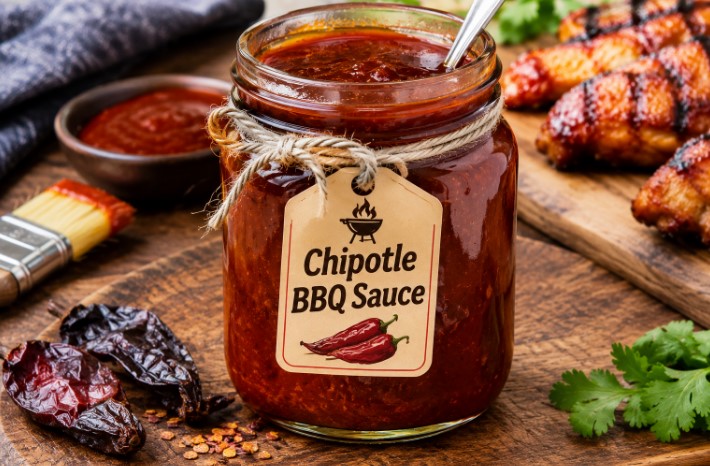
Chipotle BBQ sauce combines the familiar tang of tomato-based barbecue sauce with the smoke and warmth of dried smoked jalapeños. Its flavor is deeper than a sauce made with ordinary chili powder, but it need not be extremely hot. Use it on grilled beef, chicken, burgers or roasted vegetables when you want a smoky finish even if you are cooking without a wood-fired smoker.
Chipotle powder or peppers in adobo?
Chipotles are smoked, dried jalapeños. Their Mexican culinary roots are distinct from the American-style barbecue base used in this modern sauce. Dried whole peppers, ground powder and canned peppers in adobo all bring smoke and heat, but they behave differently in the pan.
Powder disperses quickly and makes it easy to add a small amount at a time. Canned peppers are softened in a seasoned sauce that may add salt, tomato and acidity. Check the label for suitable ingredients and taste before adding more. Whole dried peppers need softening and blending, which adds preparation time. Avoid using a whole can in a small batch without checking how hot it is.
Barbecue community discussions often revolve around choosing powder versus adobo and balancing smoke with sweetness. The best chipotle BBQ sauce for your meal is one that leaves room for the food’s existing smoky flavor rather than covering it.
Smoky chipotle BBQ sauce recipe
This chipotle barbecue sauce recipe uses a measured quantity of ground chipotle for easier adjustment. It is an original research-informed adaptation, not a kitchen-tested formula. Prep time: 5 minutes; simmering: 15 minutes; total: about 20 minutes. Yield: roughly 1¼ cups or ten two-tablespoon servings. You need a saucepan, whisk and measuring spoons.
Chipotle BBQ sauce ingredients
- ¾ cup ketchup
- ⅓ cup water
- 2 tablespoons brown sugar
- 2 tablespoons apple cider vinegar
- 1 teaspoon ground chipotle pepper (start with ½ teaspoon for a milder version)
- 1 teaspoon yellow mustard
- ½ teaspoon garlic powder
- ½ teaspoon ground cumin
- ¼ teaspoon onion powder
Chipotle contributes smoke and heat. Tomato provides body and sugar adds balance. The cumin creates a warm background flavor, while vinegar prevents the glaze from tasting heavy. Mustard helps connect the sweet and savory notes. Salt is not listed separately because ketchup and mustard already contain it.
How to make chipotle BBQ sauce
- Whisk the ketchup, water and vinegar in the saucepan.
- Stir in sugar, chipotle, mustard, garlic, cumin and onion powder.
- Heat slowly until small bubbles form. Simmer gently for about 15 minutes, stirring frequently.
- Check a cooled sample. If the heat is too mild, stir in a small pinch of chipotle and allow it to hydrate before tasting again.
- Take the pan off the heat when the sauce lightly coats a spoon. Cool promptly if you are not serving it immediately.
For a canned-pepper version of this chipotle BBQ sauce recipe, replace the powder with one small minced chipotle in suitable adobo, adding less at first if the product is very hot. Blend carefully if a smooth finish is desired, and adjust vinegar and salt based on the adobo’s seasoning.
Match the amount of smoke to the food
On charcoal-grilled beef, the sauce can complement a charred surface. On long-smoked brisket, the meat may already have plenty of smoke flavor, so serve it at the table rather than coating the entire cut. For chicken, apply a thin glaze toward the end of indirect cooking and confirm the internal temperature reaches 165°F.
When using chipotle BBQ sauce for ribs, first let the bark establish and the meat approach tenderness. Brush on a small amount, allow it to set and serve additional clean sauce separately. If you want a fruitier pepper heat instead of smoke, see habanero barbecue sauce. For a deeper dark-syrup profile, compare the molasses guide.
For burgers and sandwiches, spread a thin layer on the cooked food. On grilled mushrooms, use a small spoonful after cooking because their porous surface can absorb too much sauce. Roasted corn and cauliflower benefit from the combination of tang and smoke. A clean portion can also be stirred into a suitable mayonnaise for a creamy dipping sauce; refrigerate that mixture promptly.
Adjusting a batch without losing the chipotle character
| Problem | Likely cause and practical correction |
|---|---|
| Smoke overwhelms the food | Too much chipotle or other smoked seasoning. Dilute with an unsmoked tomato base; next time omit smoked paprika. |
| Heat is too intense | Too much pepper. Prepare a pepper-free portion of the base and blend gradually. Sugar alone does not remove capsaicin. |
| Grainy sauce | Powder has not hydrated or dried pepper pieces remain. Allow gentle simmering or blend after cooling slightly. |
| Too salty | Adobo and ketchup may both contain salt. Add unsalted tomato puree and water rather than reducing further. |
| Flat, sugary flavor | Test a small amount with a little vinegar. Do not add more pepper unless heat is also lacking. |
Scorching is another common issue. A smoky chipotle BBQ sauce should taste of smoked peppers, not burnt sugar. Apply it away from intense direct heat, and discard a badly burnt batch.
Making a honey chipotle BBQ sauce variation
Replace the two tablespoons of brown sugar with two tablespoons of honey. Taste after simmering, because honey adds its own aroma and may change the thickness. This version is especially suitable for wings. For a sweet glaze with no chili, the honey barbecue guide offers a milder option.
Homemade chipotle BBQ sauce can be less sweet by reducing sugar and adding water as needed. If chipotle is unavailable, smoked paprika with a small amount of ordinary chili can approximate some smoke and heat, but it will not taste exactly the same. Check prepared adobo and other condiments for unsuitable ingredients.
Storage, serving size and nutrition
Cool clean sauce promptly, refrigerate at 40°F or colder and use within three to four days as a conservative limit. Freeze small portions if needed. Discard sauce from a bowl used with a raw-meat brush. This recipe has not been validated for room-temperature storage or canning.
A two-tablespoon serving, assuming ten portions and typical ingredient labels, has around 30–40 calories and 7–10 grams of carbohydrate, with little fat or protein. Sodium depends on the prepared tomato and mustard products, especially if using canned peppers. These figures are estimates.
FAQs
Is chipotle a different pepper from jalapeño?
Chipotle is a jalapeño that has been smoked and dried, giving it a different flavor.
Can I use the adobo liquid alone?
Yes, start with a small amount; it contributes seasoning and may contain considerable salt.
Do I need liquid smoke?
No. Chipotle already brings smoke, and extra smoke may overpower the sauce.
Can I make a smooth sauce with dried whole peppers?
Soften them in hot water, then blend with the base. Start with a small quantity and taste.
Can I use the sauce with grilled fish?
Yes, use a light coating late in cooking or serve it separately.
Does simmering make chipotle less hot?
Not reliably. Reduction can concentrate the heat, so adjust the pepper amount instead.
Can I substitute fresh jalapeño?
It adds a fresher flavor and lacks the smoke of chipotle.
Can I make a large batch for a barbecue?
Yes, scale ingredients carefully and divide clean sauce into separate serving and basting portions.
Why is the sauce hotter the next day?
Seasonings may become more evenly distributed during storage. Taste a clean portion before serving.
Is chipotle sauce always sweet?
No. Sweetness varies with the base; reduce the added sugar if you prefer a more savory glaze.