Korean Gochujang BBQ Sauce
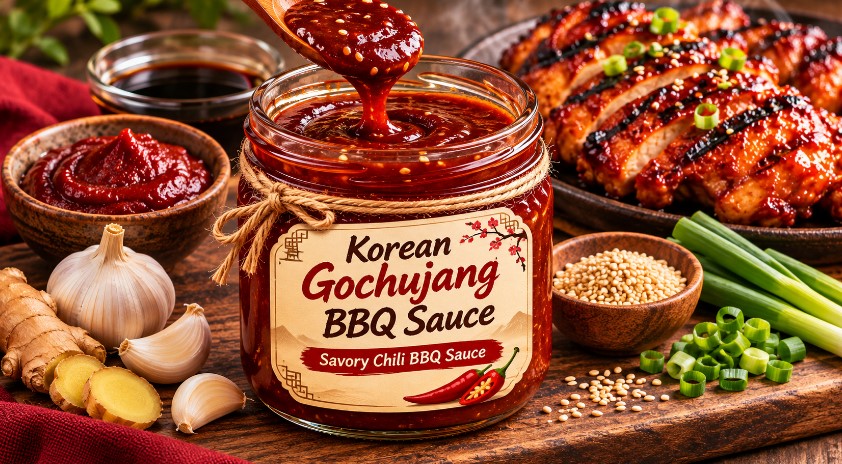
Gochujang BBQ sauce is a Korean-inspired barbecue condiment built around fermented red chili paste. It tastes savory, spicy and slightly sweet, with more depth than a simple hot sauce. A little honey, vinegar and water turn the thick paste into a brushable glaze for grilled chicken, beef or vegetables. The heat varies by brand, so tasting and adjusting the paste before cooking is more useful than relying on its red color.
Choosing gochujang for a barbecue sauce
Gochujang is a Korean fermented seasoning typically made with red chili, grain, soybean ingredients and salt. Korean Bapsang and Maangchi describe the traditional paste and its preparation. The fermentation is part of the paste’s character; making the finished glaze does not require fermenting anything at home.
A Korean BBQ sauce can refer to several different seasonings, including soy-based marinades that are not spicy at all. This guide focuses on Korean Gochujang BBQ sauce, not every kind of Korean barbecue marinade. The result is an adaptation for grilling rather than a claim that all Korean cooks use the same recipe.
Look for the paste rather than a ready-to-pour bottled dipping sauce. Check the heat rating where available, then taste a tiny amount. Review the ingredient list carefully for added alcohol, unsuitable flavorings and animal ingredients. Some paste recipes or commercial products include added alcohol; choose a suitable product without it. Soy and wheat are common allergens in these seasonings.
How spicy should the finished sauce be?
Think of the paste as a concentrated seasoning. A moderate amount supplies heat and fermented flavor together. Simply replacing half the paste with chili powder may produce a hotter sauce without the same body or savory character. Start with a mild paste if cooking for people who dislike strong heat.
For a Korean spicy BBQ sauce with a softer finish, balance the paste with honey and a small amount of acidity. Water allows it to spread thinly. If the sauce is already salty, do not add more soy sauce merely to make it darker. Test the finished glaze on a piece of cooked food rather than judging an undiluted spoonful.
Gochujang BBQ sauce ingredients and their roles
| Ingredient | Amount | Purpose |
|---|---|---|
| Suitable gochujang paste | 3 tablespoons | Fermented chili flavor and body |
| Ketchup | ¼ cup | Tomato sweetness and texture |
| Honey | 2 tablespoons | Balances heat and helps glazing |
| Reduced-sodium suitable soy sauce | 1 tablespoon | Savory seasoning |
| Apple cider vinegar | 1 tablespoon | Acidity |
| Water | ¼ cup | Controls concentration |
| Grated garlic | 1 clove | Savory aroma |
| Grated fresh ginger | 1 teaspoon | Fresh aromatic note |
| Toasted sesame oil | ½ teaspoon, optional | Nutty finish |
A quick Korean Gochujang BBQ sauce recipe
This Gochujang BBQ sauce recipe is a research-informed home adaptation and has not been kitchen-tested. It makes about one cup before reduction, or approximately eight small servings. Allow 5 minutes for preparation and 8–12 minutes for cooking.
- Put the paste and water in a small saucepan. Whisk until the paste loosens and there are no large lumps.
- Add ketchup, honey, soy sauce, vinegar, garlic and ginger. Stir well before heating.
- Bring the mixture to a gentle simmer over medium-low heat, then reduce the heat. Stir the bottom regularly for 8–12 minutes.
- Remove from heat when the sauce lightly coats a spoon. Stir in the optional sesame oil.
- Taste a cooled sample. Adjust with water if too thick or a small splash of vinegar if too sweet. Cool promptly if storing.
The finished Gochujang barbecue sauce should be smooth enough to brush, with a red-brown color and a lingering savory heat. It thickens as it cools. If you want a dipping version, reserve some before further reduction.
Using the glaze on chicken, beef and vegetables
Gochujang BBQ sauce for chicken works particularly well on thighs and wings. Cook them over indirect heat, then brush on a thin coat as they approach doneness. Finish cooking to 165°F internally and offer a separate clean portion at the table. Honey and the sugars in the paste can scorch, especially if brushed repeatedly over direct flames.
For beef skewers, use a small amount near the end so the fermented flavor does not mask the meat. On a burger, add a teaspoon after grilling along with crunchy cucumber or cabbage. For tofu, pat the surface dry before cooking and brush the sauce on when the exterior has developed some firmness. Grilled eggplant can absorb a great deal of sauce, so start with a light coating.
Use this gochujang sauce for BBQ as a finishing glaze rather than a long marinade unless you dilute it. Reserve a clean serving portion before any sauce contacts raw meat. If you want a fruit-and-soy glaze with less chili heat, compare the Hawaiian Huli Huli sauce. For a pepper-forward American alternative without fermented chili paste, see the Texas spicy tomato guide.
Adjusting heat, salt and texture
Too spicy: Make a small additional portion of ketchup, water and honey without chili paste and combine gradually. Adding sugar alone will not remove capsaicin and can make the result cloying. Choose a milder paste next time.
Too salty: Dilute with water and unsalted tomato puree, then taste. Avoid reducing the mixture again until it becomes equally concentrated. Soy and gochujang both contribute sodium.
Too thick: Whisk in warm drinking water a teaspoon at a time. Thick paste can stick to the pan and make uneven spots on food.
Flat flavor: Add a little vinegar or fresh ginger rather than automatically adding more paste. Acid can make the existing flavors clearer.
Scorched glaze: Use less direct heat and apply a thinner coat later. Discard a badly burnt batch; adding sweetener cannot reliably cover a strong burnt flavor.
Substitutions and other versions
Maple syrup can replace honey by volume, although the glaze may be a little thinner. A suitable gluten-free soy-style sauce can replace conventional soy sauce. If you cannot find suitable gochujang, a mixture of mild red chili powder, a little suitable soybean paste and water can make a rough alternative, but it will not have the same fermented flavor. Label it as a substitute rather than authentic gochujang.
A Korean BBQ sauce recipe using only soy, garlic and sweetener has a different identity from this one. If serving diners who dislike chili, consider a separate mild sauce instead of trying to remove all the heat from a gochujang-based batch.
Keeping the finished sauce fresh
Follow the storage instructions on the original paste package. Once mixed with water, garlic and other ingredients, the homemade glaze is a separate food; do not assume it shares the shelf life of the fermented paste. Refrigerate in a clean covered container at 40°F or below and use within three to four days as a conservative limit. Freeze clean portions if needed, then thaw in the refrigerator and stir. Discard any portion contaminated by raw meat or left out beyond safe time limits.
Based on typical condiment labels, a two-tablespoon portion is approximately 30–45 calories and 6–9 grams of carbohydrate, mostly from the paste, honey and ketchup. Fat and protein are usually small. Sodium varies greatly by brand, so calculate it using the actual labels. This is a rough estimate assuming eight portions, not laboratory analysis.
FAQs
Is gochujang the same as chili garlic sauce?
No. Gochujang is a fermented paste with grain and soybean ingredients; chili garlic sauces have different bases and textures.
Can I make the sauce without ketchup?
Yes. Use a little tomato puree or omit tomato and adjust water and sweetness. The result will be more paste-forward.
Can I use it without simmering?
A freshly whisked clean version can be used as a dip if all ingredients are suitable for eating uncooked. Simmering softens the garlic and integrates the glaze.
Is the sauce always very hot?
No. Paste brands have different heat levels, and the amount used matters.
Can I replace honey with sugar?
Yes, start with a smaller amount of sugar and dissolve it in the liquid. Adjust thickness after tasting.
Does the sauce contain gluten?
It may. Check both paste and soy sauce labels rather than assuming that rice-based ingredients make the finished sauce gluten-free.
Can I serve it on grilled fish?
Yes, use a thin layer near the end to avoid overpowering delicate fish.
Does cooking remove the chili heat?
Not reliably. Reduction can concentrate it, so adjust the paste quantity before simmering.
Can I mix it into mayonnaise?
Yes, a small clean portion can flavor mayonnaise for a cold dip. Refrigerate the mixture and observe safe handling limits.