St. Louis BBQ Sauce
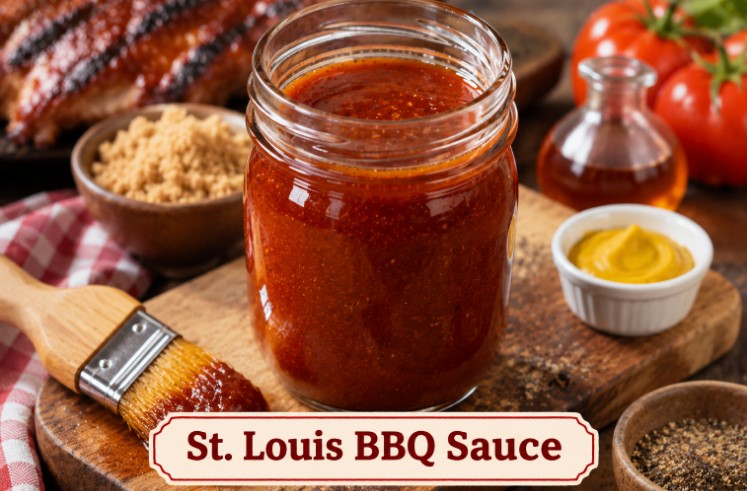
St Louis BBQ sauce is commonly a tomato-based condiment with a balance of sweetness and vinegar tang. Local sauces vary from mild and molasses-rich to spicy, so the name does not specify a single formula. This guide focuses on an adaptable homemade glaze that can be brushed onto beef ribs or chicken toward the end of grilling, with enough acidity to keep the finish from tasting overly sweet.
The glaze technique matters as much as the recipe
A glossy finish is built by applying a small amount at a time. Start with a surface that is no longer wet from cooking juices. Brush on a thin coat and let it set over indirect heat. A second light coat may be useful, but a thick layer can drip, collect soot or darken before it has set. A glaze is a surface seasoning; it does not replace cooking the meat until it is safe and tender.
St Louis style BBQ sauce can be served separately, too. St. Louis Magazine documents a range of local products rather than one standardized flavor. The following Saint Louis BBQ sauce is a home adaptation of the sweet-and-tangy approach, not a replica of a particular brand.
Make a sauce that brushes easily
This St Louis BBQ sauce recipe uses ketchup for a smooth starting texture, cider vinegar for brightness and a little molasses for depth. Use a small saucepan, whisk and silicone brush. Reserve a separate bowl for serving before taking any sauce to the grill.
Prep: 5 minutes. Cook: 15 minutes. Total: about 20 minutes. Yield: about 1 1/4 cups (ten 2-tablespoon servings).
- 1 cup ketchup
- 3 tablespoons apple cider vinegar
- 2 tablespoons water
- 1 tablespoon brown sugar
- 1 tablespoon regular unsulfured molasses
- 1 teaspoon yellow mustard
- 1/2 teaspoon paprika
- 1/2 teaspoon onion powder
- 1/4 teaspoon garlic powder
- 1/4 teaspoon black pepper
Whisk the ketchup, vinegar, water, sugar, molasses and mustard together. Add paprika, onion powder, garlic powder and black pepper. Warm gently and simmer for about 15 minutes, stirring regularly. A cooled sample should coat the back of a spoon but flow easily from it. If it is too thick, stir in water a teaspoon at a time. Cool and serve or refrigerate promptly.
Regular molasses adds a darker note without the stronger bitterness of blackstrap. If you have only brown sugar, omit the molasses and add a little more sugar to taste, recognizing that the flavor will be lighter. For a sharper St Louis barbecue sauce recipe, add vinegar in small increments after tasting the cooled sauce.
St Louis BBQ sauce for ribs, chicken and other foods
For beef ribs, wait until the exterior has developed a crust and the ribs are almost tender. Brush the glaze across the exposed surface, taking care not to pull off the seasoning. Use indirect heat to finish. For chicken thighs, apply toward the end of cooking and verify the chicken reaches at least 165°F. For kebabs, brush after browning and move away from direct flames if the glaze starts to darken rapidly.
Serve homemade St Louis BBQ sauce on burgers or as a dip for crispy potato wedges. It can also season grilled squash after the cut surfaces have browned. If the food is already heavily seasoned, use less sauce or offer it in a bowl so each person can choose.
How does it compare with other red sauces?
The Kansas City sauce in this collection has a richer molasses emphasis. The Memphis sauce is designed to be more vinegar-forward alongside dry seasoning. The St Louis style barbecue sauce presented here sits between those approaches in practical use, although real regional recipes overlap. Do not rely on geographical labels alone to decide how sweet or thick a sauce will be.
Common glazing mistakes
Why does the glaze turn black?
Concentrated sugars darken quickly near flames. Shift the food away from direct heat, apply sauce later and use thinner coats. Do not try to fix a badly burnt sauce by adding more sugar.
Why does it slide off the meat?
The surface may be too wet or the sauce too thin. Allow the exterior to set and reduce the sauce gently if necessary. Avoid soaking the meat in sauce during the entire smoking process.
Why is it sticky in the jar but not on the grill?
A refrigerated sauce may seem thicker than it really is when warm. Judge the consistency after gently warming a small serving. Allow time for moisture to evaporate from the glaze on the food.
Adjusting a batch for different diners
A St Louis style BBQ sauce recipe can be made milder by using regular paprika and omitting extra hot pepper. For a hotter version, add a pinch of cayenne. If you prefer a less sweet sauce, reduce the brown sugar before cooking rather than trying to cover it with excessive vinegar later. The best St Louis BBQ sauce for a family meal is the one that complements the seasoning and can be applied without burning.
When buying a bottle, check for the amount of sugar and sodium listed per serving. A sauce with a strong sweetener base may need later application on the grill. Check mustard and other packaged ingredients for allergens and suitability.
Keep a clean serving portion
Do not dip a brush used on raw meat into the sauce intended for the table. Refrigerate clean unused sauce at 40°F or below within two hours, or one hour above 90°F. Use within three to four days as conservative leftover guidance, or freeze in small containers. Thaw in the refrigerator and stir before serving. This recipe has not been validated for room-temperature storage or canning.
A 2-tablespoon portion is estimated to contain about 30–45 calories, 7–10 g carbohydrate, 5–8 g sugar and less than 1 g each of protein and fat. Sodium depends on the ketchup and mustard labels. Mustard is a relevant allergen. The recipe is research-informed and not kitchen-tested.
FAQs
Is St Louis BBQ sauce always sweeter than Memphis sauce?
No. Regional recipes vary; compare actual ingredients and taste.
Can I use honey instead of brown sugar?
Yes, start with a smaller amount and adjust. Honey also browns quickly.
Can I apply this sauce to raw chicken?
It is better suited to a late glaze. Keep any sauce that contacts raw chicken separate from serving sauce.
Does it work on a charcoal grill?
Yes, use a cooler indirect zone for setting the glaze.
Is molasses necessary?
No, but it adds color and depth. Omitting it produces a lighter sauce.
Can I use it on pizza?
Yes, a thin layer can replace part of the usual sauce on a BBQ-style pizza.
How much sauce do I need for ribs?
Start with a few tablespoons for a light coat and add more only if needed. Rack size and preference vary.
Can I make this ahead of time?
Yes, refrigerate promptly and follow the conservative storage guidance in the recipe.